
Hypertension &
Arterial Stress
Hypertension Outline
Experiencing High Blood Pressure or Headaches?
Book EvaluationExperiencing High Blood Pressure or Headaches?
What is Hypertension?
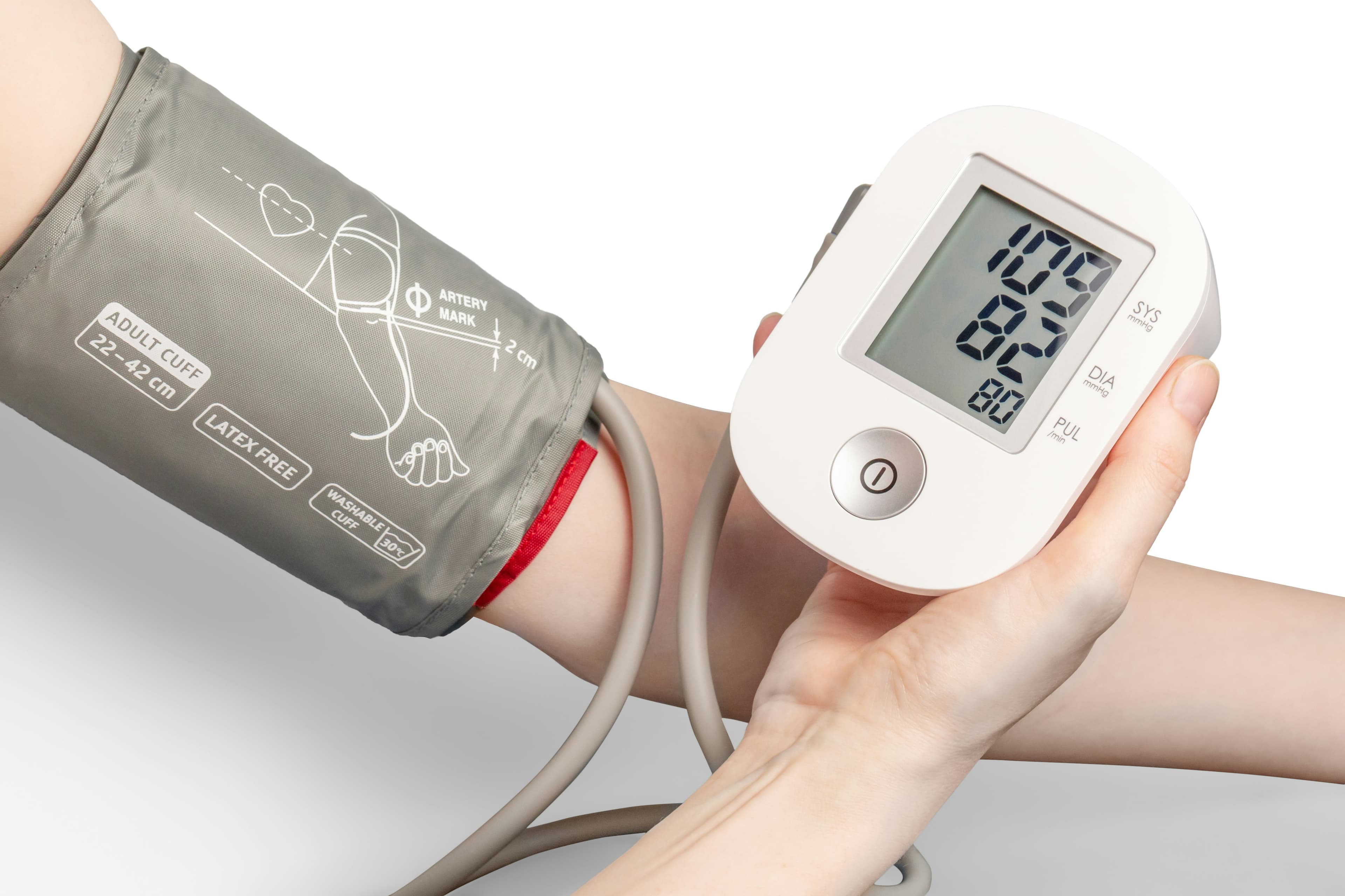
Hypertension occurs when blood exerts chronically elevated pressure against arterial walls as it flows through your body. Over time, high pressure weakens vessel linings, accelerates plaque accumulation (atherosclerosis), and forces the heart muscle to pump significantly harder against increased systemic resistance.
Worldwide, hypertension affects over 1.28 billion adults — yet only about 42% of those diagnosed are adequately controlled. It remains the single most important preventable risk factor for cardiovascular disease, stroke, and kidney failure.
Classifications & Types of Hypertension
Primary (Essential) Hypertension
Develops slowly over time with no single clear cause; linked to age, genetics, and lifestyle.
Secondary Hypertension
Caused by another medical condition, such as kidney disease, sleep apnea, or thyroid/hormone imbalances.
Specific Subtypes and Situations
Resistant Hypertension
Blood pressure stays higher than normal even when you take three or more different blood pressure medicines.
Isolated Systolic Hypertension
Only the top number (systolic pressure) is high while the bottom number remains normal; very common in older adults.
Risk depends on more than the blood pressure number. Cholesterol, diabetes, smoking, kidney function, age, family history, and evidence of existing cardiovascular disease all influence the overall risk.
Symptoms of High Blood Pressure
Severe Headaches
Occipital headaches occurring upon waking up in the morning when BP reaches peak elevation.
Shortness of Breath
Breathlessness during exertion due to increased left ventricular afterload and elevated pulmonary filling pressures.
Chest Pain or Tightness
Angina caused by left ventricular hypertrophy and increased myocardial oxygen demand.
Visual Disturbances & Blurring
Retinal microvascular damage, hemorrhages, or papilledema during severe hypertensive surges.
Dizziness & Vertigo
Transient cerebral hypoperfusion or sudden spikes causing lightheadedness and instability.
Palpitations & Bounding Pulse
Feeling rapid, thumping, or forceful heartbeats in chest, neck, or ears.
Diagnostic Testing
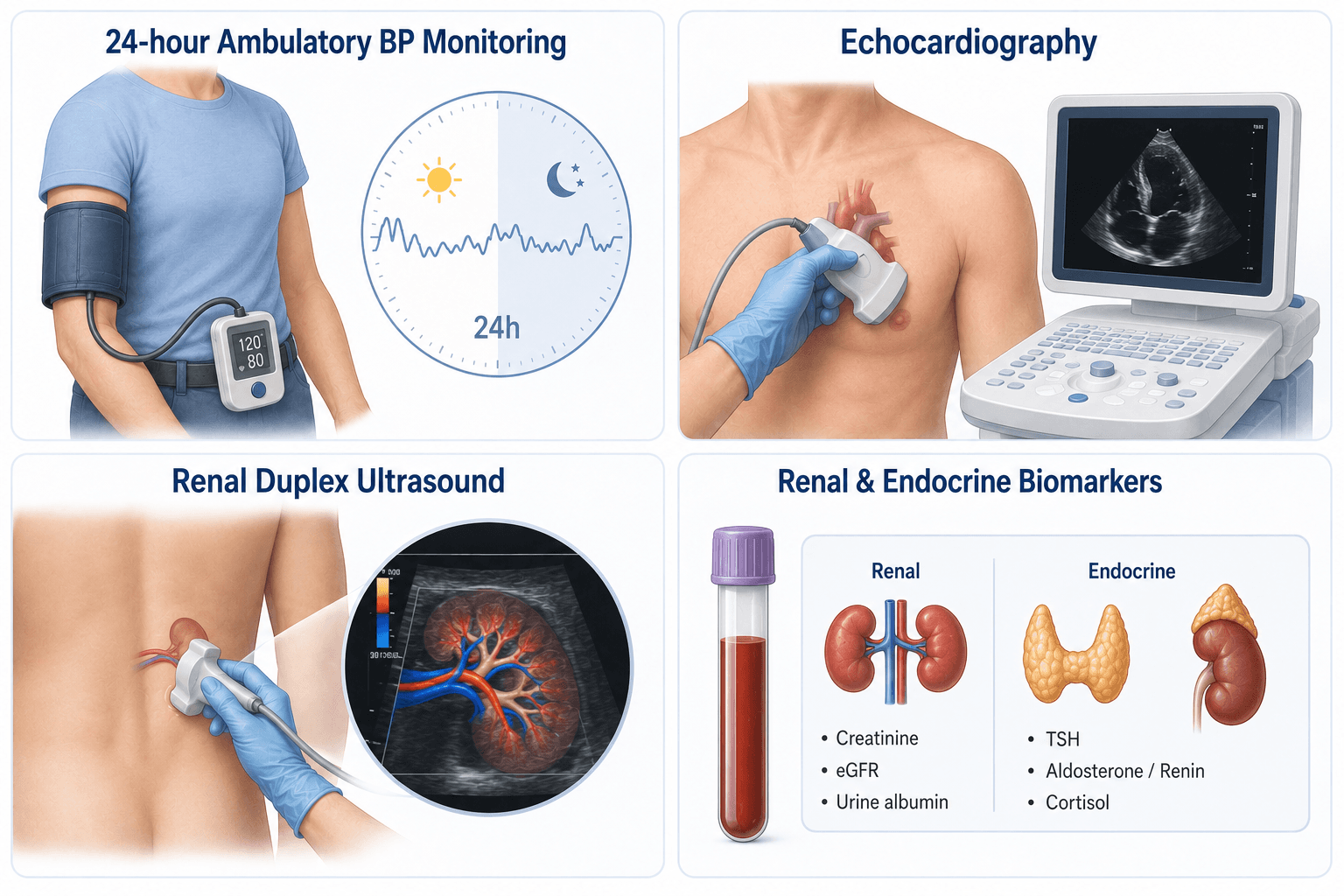
Blood pressure changes over time and one reading does not always tell the whole story. We combine comprehensive monitoring with targeted tests to identify root causes and evaluate cardiovascular impact.
24-Hour Ambulatory BP Monitoring
Eliminates white-coat hypertension and records nocturnal dipping patterns to evaluate true 24-hour vascular load.
Echocardiography
Assesses left ventricular wall thickness, hypertrophy (LVH), and diastolic relaxation impaired by chronic high pressure.
Renal Duplex Ultrasound
High-resolution vascular Doppler evaluating renal artery blood flow to screen for renal artery stenosis.
Renal & Endocrine Biomarkers
Comprehensive blood and urine testing (eGFR, Creatinine, Urine Albumin, Aldosterone-to-Renin ratio) to assess organ impact.
Treatment
Hypertension care is about understanding your overall cardiovascular risk and controlling blood pressure in a way that is effective, sustainable, and protective of the heart, brain, kidneys, and vascular system.
Medicine
Guideline-directed antihypertensive medications (such as ACE inhibitors, ARBs, calcium channel blockers, and diuretics) tailored to lower arterial pressure and protect your heart, kidneys, and brain.
Interventional therapy / Catheter Procedure
Minimally invasive catheter-based procedures (such as renal denervation) designed to treat resistant or difficult-to-control hypertension by targeting overactive renal sympathetic nerves.
Living with Hypertension
Diet & Lifestyle
- Follow a heart-healthy diet rich in fruits, vegetables, and whole grains
- Limit dietary sodium and avoid ultra-processed foods
- Engage in regular physical activity such as brisk walking or swimming
Daily Management & Monitoring
- Keep a daily log of home blood pressure readings to track trends
- Take all prescribed blood pressure medications consistently
- Manage stress, prioritize quality sleep, and attend routine checkups